The Sport of Lure Coursing
The Beginnings
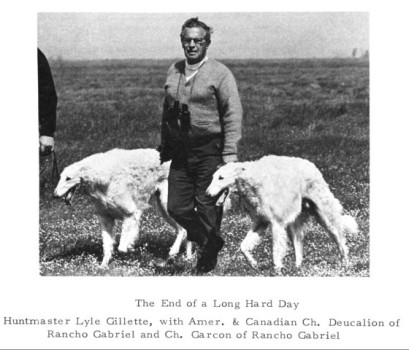
Lure coursing is a performance event developed in the early 70's by Lyle Gillette and other California sighthound fanciers who hunted jackrabbits in the open field, which risked the harm caused by barbed wire fencing. They invented lure coursing as a safer, more controlled sport for sighthounds that would recreate the physical requirements of open field coursing, allowing them to continue testing the functional abilities of their sighthounds. The hounds chase plastic bags on a course laid out to simulate escaping game.
In 1972, they started the American Sighthound Field Association (ASFA) and invited other sighthound fanciers from across the nation to join the organization, with its democratic structure and centralized method of keeping hound records.
To fully comprehend the rules of ASFA, please refer to the complete ASFA Rulebook. If you are new to the sport, we highly recommend starting with our Beginner's Guide to learn the basics.
Normally, almost every weekend field trials are being held in the U. S. by some of the more than 60 ASFA member clubs. An owner might enjoy a ribbon or trophy, but the hounds run just for the fun of it. To find out about field trials in your locale, check out the ASFA Schedule for a field trial near you.
The Course
The hounds will run the course twice, a preliminary run and a final run. Scores from both runs are added for a combined total score. Hounds are awarded placements and points based on where they finished and the number of hounds they competed against. The hounds are running not only for fun and to keep their natural abilities alive, but also for titles.
The hounds run a preliminary course and a final course, and then may run for Best of Breed. Finally, the Best of Breed run for Best in Field, as an optional stake.
Titles
Hounds must be certified to enter an ASFA field trial. Certification is earned by practicing with a hound of similar running style, which is evaluated by a judge. A copy of a certification form, signed by the judge, is turned in with the hound's first entry. After a hundred points for placements, as well as taking at least two firsts, or two seconds and a first, a sighthound earns its Field Championship (FCH) title. With four first placements and another three hundred points, the hound earns a Lure Courser of Merit (LCM) title. Subsequent LCMs are earned in the same manner, and currently the highest achieving sighthound is a Whippet with an LCM 20.
If a hound is entered in the Veterans Stake, there are special titles that can be attained. The requirements are that the hound begins with no points carried over from other titles. A Veteran Field Championship (VFCh) is earned by accumulating 75 points from placements, as well as taking at least two firsts, or two seconds and a first.
Veteran Lure Courser of Merit: The ASFA shall recognize and make appropriate awards to those hounds who have attained the ASFA Veteran Field Championship, and who, after receiving the championship, continue to compete and receive four first placements with competition and 200 more points, which must be in the ASFA Veteran stake. Hounds who shall have attained said number of placements and points shall be known as Veteran Lure Courser of Merit (V-LCM). When a hound completes the V-LCM title it may continue to compete for additional titles in the Veteran stake. After receiving an additional four first placements with competition and an additional 200 points, the title of V-LCM 2 shall be awarded. This process will be indefinitely repeatable for V-LCM 3, 4, and so on.
Standard & Veteran Title Pathway
Regular Stakes
Certification
Required before entering Open stake.
FCh Field Championship
100 points + required placements.
LCM Lure Courser of Merit
After FCh: 300 additional points + 4 firsts. Repeatable (LCM II, III...).
Veteran Stakes
VFCh Veteran Field Championship
75 points + required placements. Starts with zero carried over points.
V-LCM Veteran Lure Courser of Merit
After VFCh: 200 additional points + 4 firsts. Repeatable.
SINGLE Stake
Any hound otherwise eligible for competition in regular or limited stakes, including hounds with breed disqualifications and competition disqualifications, shall be eligible for entry in this stake. Single stake entries from all breeds shall be combined into one mixed stake, with proficiency points and placements awarded across the breeds.
A hound entered in the Single stake shall be barred from competition in the Open, Field Champion and Veteran stakes at the same trial. Each hound shall run alone in the preliminary, the final and as applicable, the runoff course. Only proficiency points and placements toward the Title of Coursing Proficiency (TCP) and the Title of Coursing Proficiency Excellent (CPX) will be awarded.
No ASFA points or placements toward the Field Championship or Lure Courser of Merit titles will be awarded from this stake, and no points or other considerations toward an ASFA title of any sort will be awarded to dogs in the Limited stake. The winner of this stake shall not be eligible to compete in Best of Breed nor in Best in Field, but will be awarded High Scoring Single.
Singles Title Pathway
TCP Title of Coursing Proficiency
100 points + required placements (two 1sts or one 1st and two 2nds).
CPX Coursing Proficiency Excellent
After TCP: 300 additional points + 4 firsts. Repeatable (CPX II, III...).
New to the Sport?
If you are just getting started, we have compiled a comprehensive guide answering the most common questions: from training your hound and checking eligibility, to what to expect at your very first trial.
Read the Beginner's GuideJudging & Scoring
Hounds are normally run in trios, in yellow, pink, and blue colors. Judges assess performance based on each hound's abilities, identifying hounds by their blanket color.
Maximum Points
Required Equipment
The equipment needed to course your hound is very simple:
-
 Three Blankets One in each color (Yellow, Pink, and Blue). Many clubs have blankets to loan, or you can have your own made.
 -
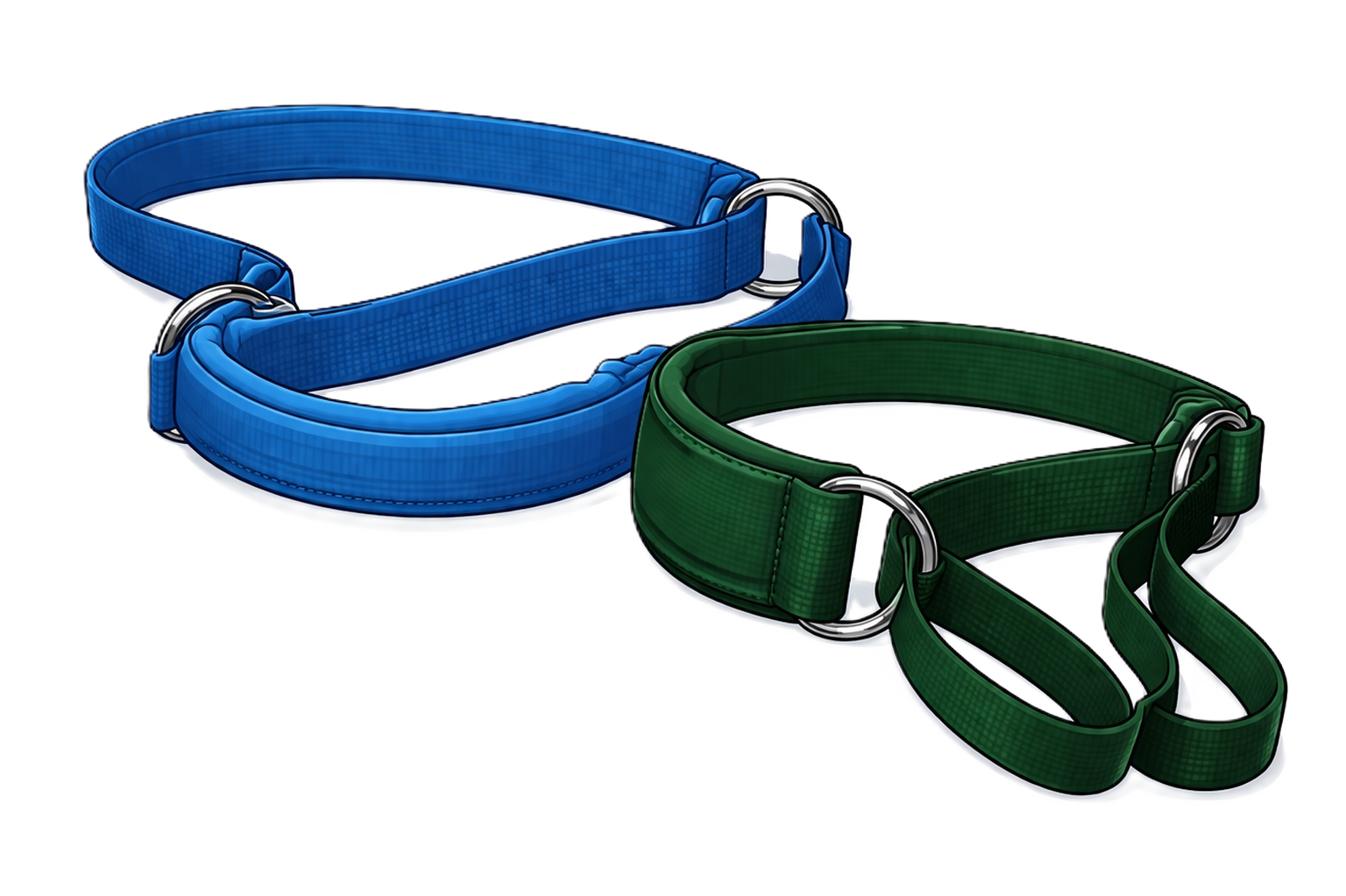 Slip Lead The approved slip lead consists of a collar with two D-rings and a permanently attached lead. It is used to hold and release your hound cleanly at the starting line.